

The Thompson Family Heritage
“We just wanted to beat the rush.”
Like many pioneer families, the Thompsons arrived in West Michigan from London, England, looking for fertile ground and room to breathe free.
The story is familiar: Like the hundreds of thousands that followed, in 1837 the Thompsons fell in love with the Grand River Valley and decided to put down roots.
Those roots run deep.
187 years deep.


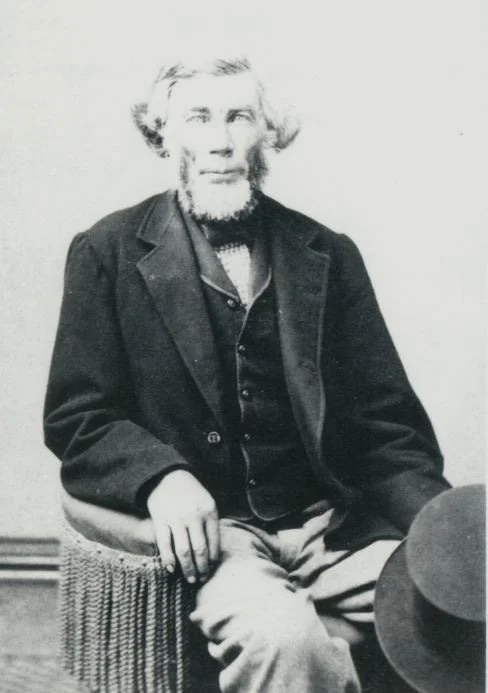
Meet James Thompson, Esq. - Dave Thompson’s great, great, great, great, great grandfather. Born in London, England in 1806, James sailed to America in 1836. Once settled on the Flat River near the Indian village of Ada, Michigan, James built a log cabin before sending for his family.
James' wife Mary and two sons landed at New York and traveled up the Erie Canal before boarding a steamship on Lake Erie bound for Detroit, then overland 150 miles by wagon to the new family homestead.
As an early Kent County pioneer, James and his sons traded with Rix Robinson at his trading post at the confluence of the Grand & Thornapple Rivers at Ada, Michigan, on a site now home to Amway World Headquarters. Here we can see James reluctantly sitting for a portrait. His hardworking fingernails belie his formal dress. A stove pipe hat completes the man-about-town image his photographer seems to have encouraged.
James Thompson - Photographed c. 1860
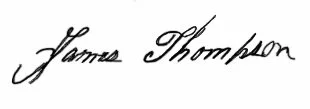
James Thompson
The Thompson Homestead
In the 1840s, this frame house replaced Thompson's original log home on the Flat River, not far from the village of Ada. James was an early customer of the Fallas Brothers saw mill, built on the Flat River at the village of Vergennes.
The proximity of the new mill - together with Thompson's eagerness for an actual house - meant this became a very early example of an eastern Kent County frame home.
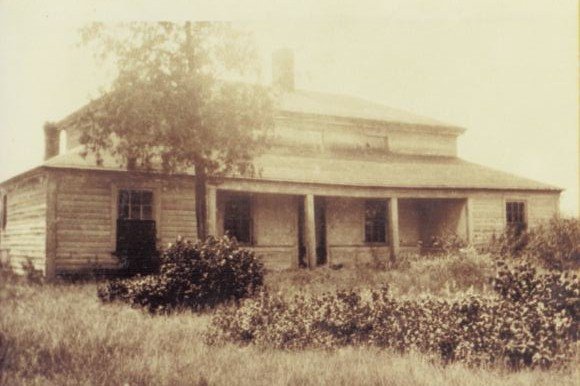
The wood is long gone now except for a spare plank of siding unearthed years ago. The Thompsons turned that board into small displays with a square of wood from the original Thompson home mounted like a relic.
Meanwhile, it’s a remarkable testament to the durability of the "Michigan cellar" that two walls of the root cellar still stand after 186 years of Michigan weather.
185 Years On
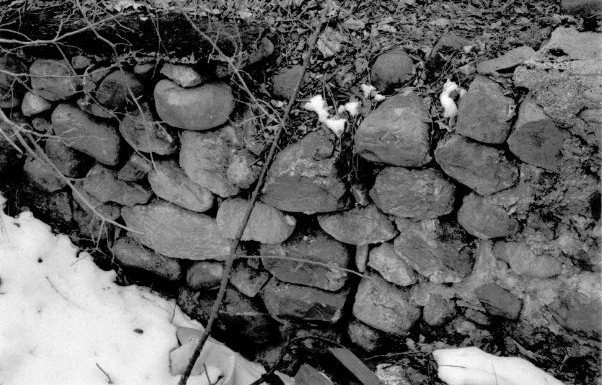
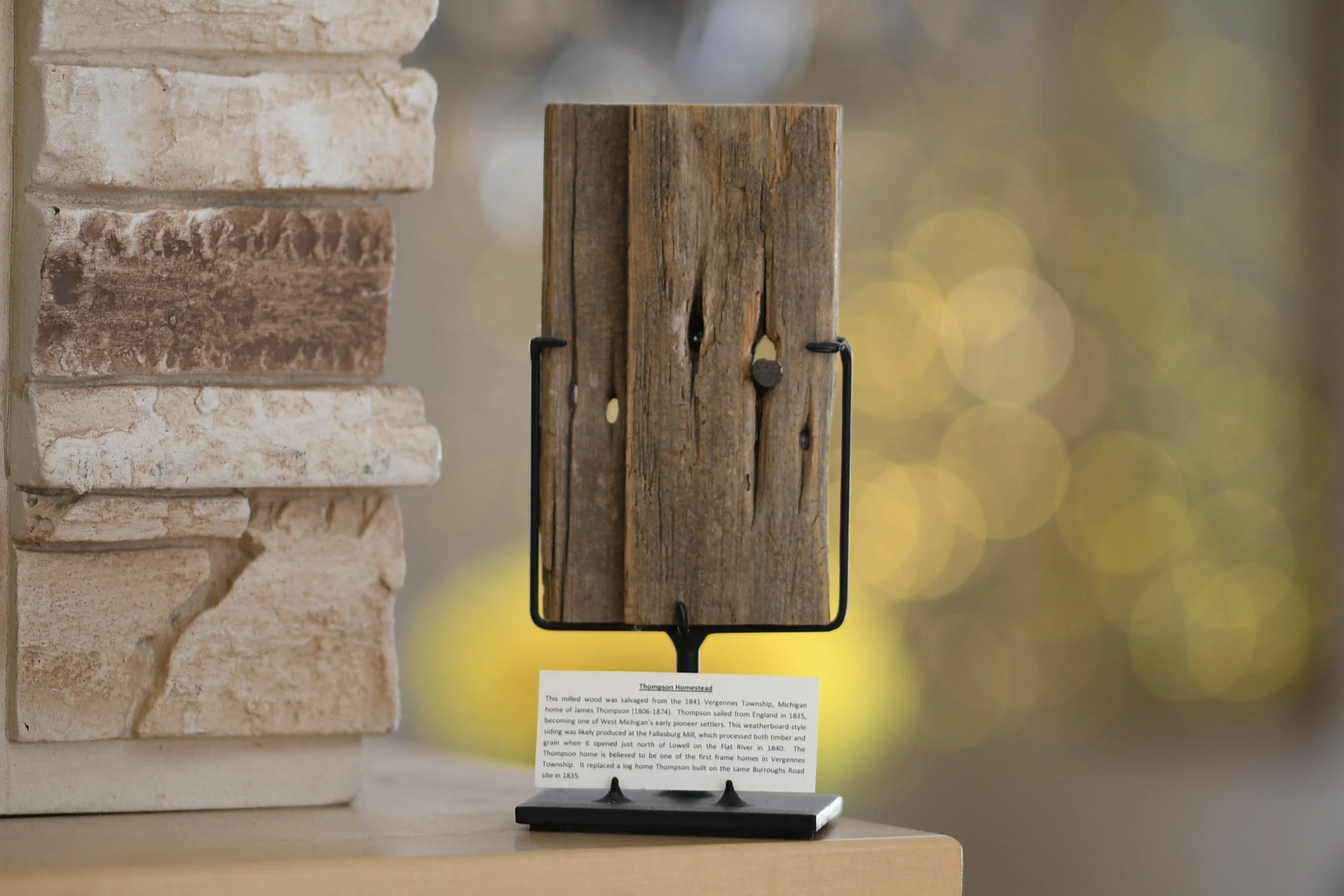
These cellars required real craftsmanship., as they were typically constructed from riverstones - in this case from the Flat River. The primitive conditions early American pioneers faced meant building with no mortar or concrete.

Instead, the walls were constructed by carefully choosing and laying one river stone at a time, and mucking them in to help form a bond with the soil. The goal was for the stones to interlock somewhat, like a three-dimensional jigsaw puzzle. Did it work? Today two cellar walls still stand nearly vertical, with a 90-degree corner holding strong.
The Thompson Fireplace Mantle
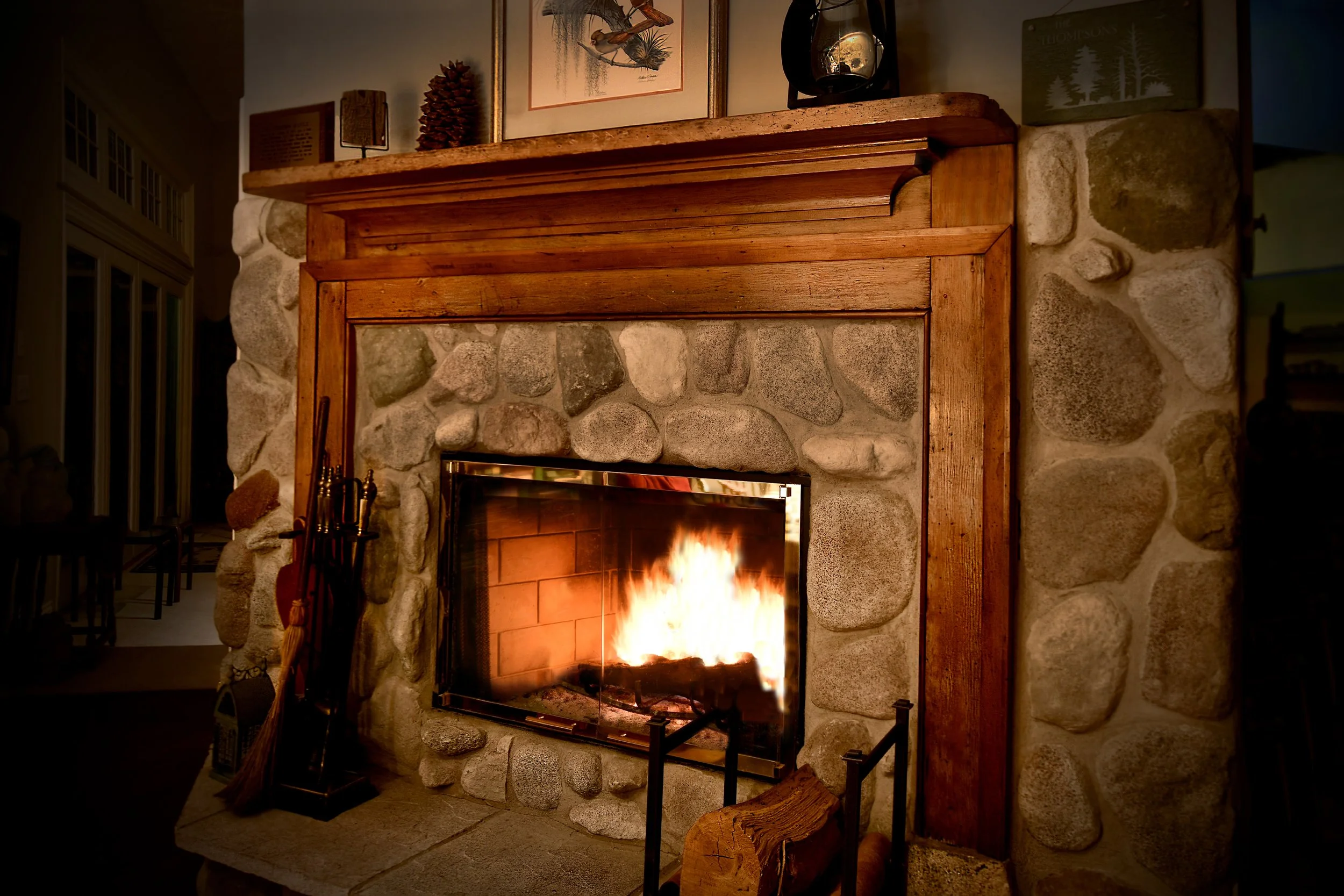
In 1978 the Thompson family restored the mantle. It's now a fixture in Dave’s father’s home on Thompson Drive in Vergennes Township. This new and far more comfortable homestead was built in 1994, also on the Flat River, less than a mile from the site of the original Thompson homestead.
There are just a few remaining artifacts from the original Thompson homestead on the Flat River. This fireplace mantle is the original from the 1840 home.
It was rescued by Dave’s grandfather Don Thompson just prior to the house being razed in the early 1960s. Not in bad condition, especially when you consider that this was the only form of heat in the house for almost 80 years.
The Restoration
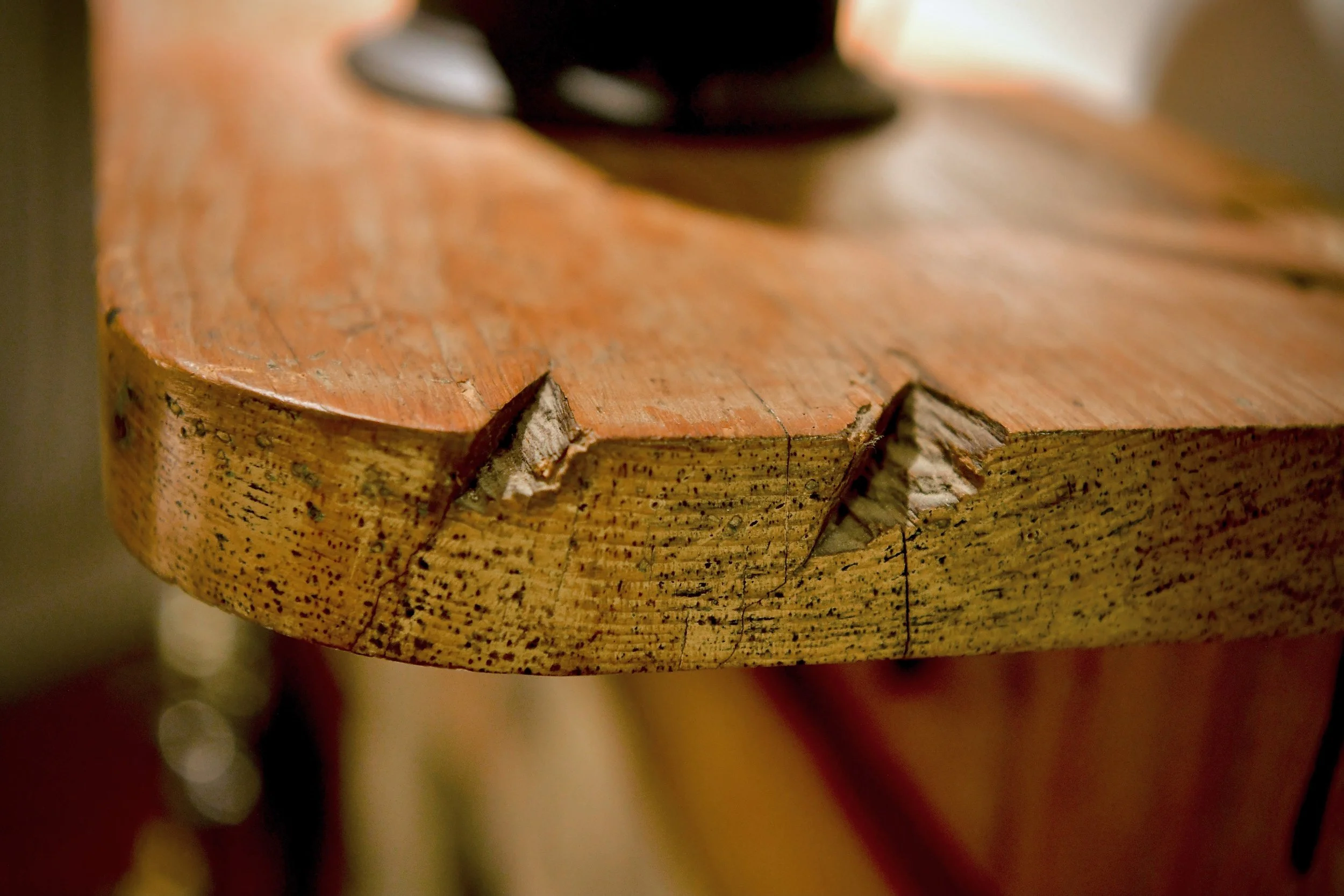
During the restoration of the mantle, a decision was made to avoid a reconstruction, in this case stripping the mantle but not painting it, as well as to make only those repairs necessary to maintain structural integrity. The result are character scars that carry interesting stories.
For example, a small hatchet for splitting kindling was stowed in the mantle face, blade first, as this photo attests. There are also myriad square nail holes in the front face of the mantle, likely from Christmas stockings hung with care for over a century.
A 14-year-old Dave accepted the duty of documenting the process on his grandfather’s 35mm Argus C3 camera. This being his first historic restoration photo gig, Dave remembers that it was an exhilarating experience — even if it didn’t pay so well.
Thompson Fine Furniture Company
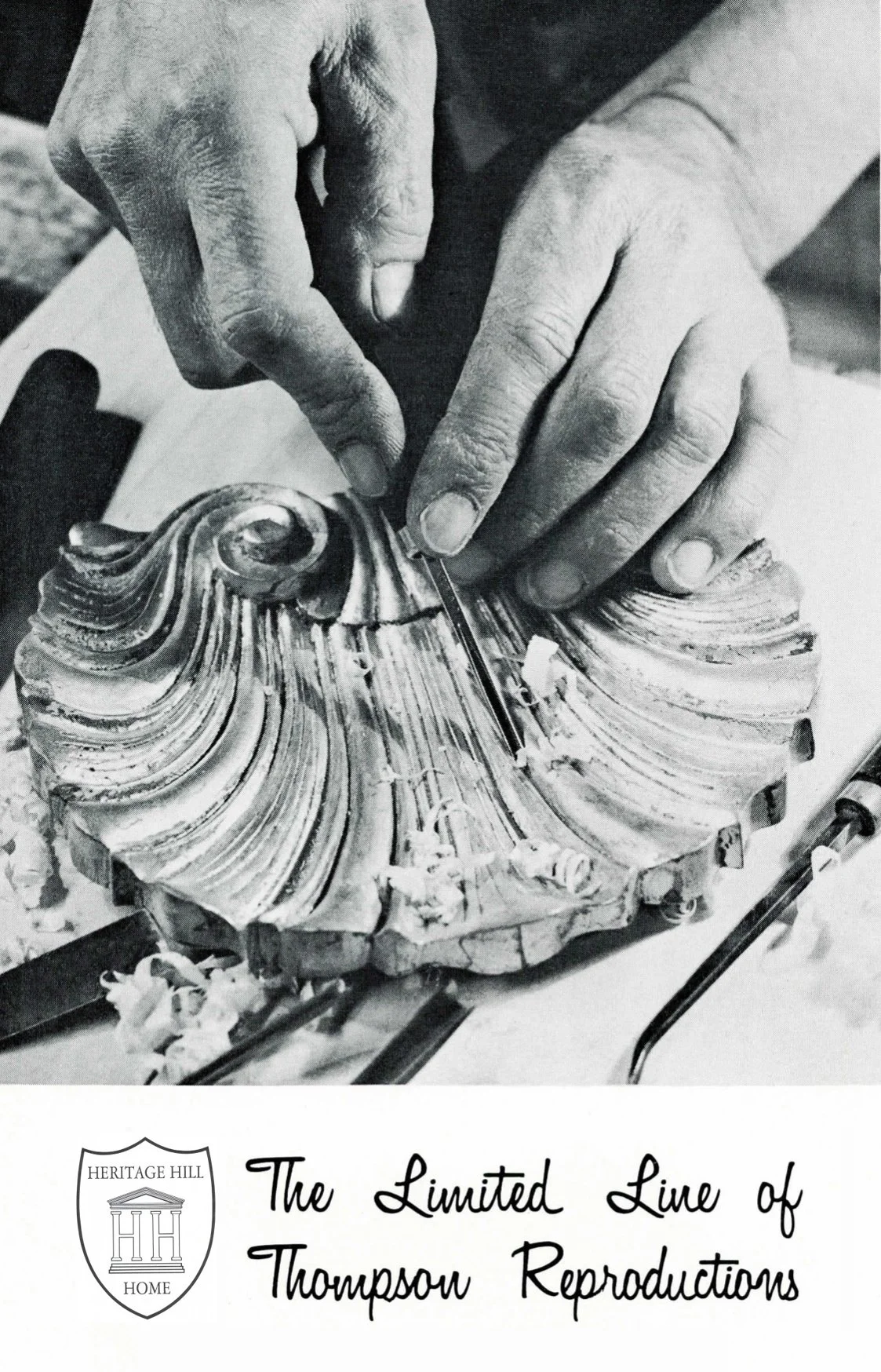
This photo is the cover of a sales brochure for Dave’s grandfather Donald C. Thompson's furniture company. When he died in 1982, he had more than 10 years of orders waiting to be filled.
Don was a early proponent of historical preservation efforts in the city. He was a leader in the campaign to save the 6th street bridge across the Grand River. He was also instrumental in the preservation of the Calkins Law office on State St.
Don was also a key member of a group that established the Heritage Hill Historic District. His home at 551 Fountain Street NE was one of the first to receive this designation, and he designed the familiar Heritage Hill shield, with the two capital H letters forming Doric columns. This logo can be found on every street sign in the district, and on many other guidepost signs and licensed products over the years.
Leveraging the Thompson Brand
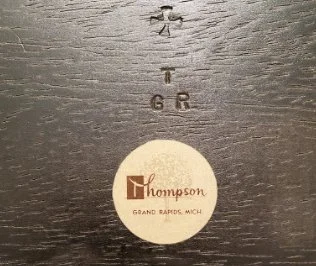
The Thompson Photography logo is designed to honor the Thompson family heritage. Dave borrowed his grandfather Don Thompson's fine furniture company logo featuring the swooshy "Th" reflected in Don’s signature.
The circular decal branded every finished piece of fine furniture that left his manufacturing facility. Dave then added the a bespoke arts & crafts font which is now the signature for Thompson Photography, LLC.


Thompson Fine Furniture Co.
Don Thompson’s Branding
Thompson Photography LLC
Dave Thompson’s Branding